
Getting to know your changing skin
Your usual moisturizer feels less comforting. Makeup settles differently. A familiar cleanser suddenly leaves your cheeks feeling tight. Changing skin can make your whole routine feel wrong. Start with a closer look at what you notice, and what would help you feel more comfortable.
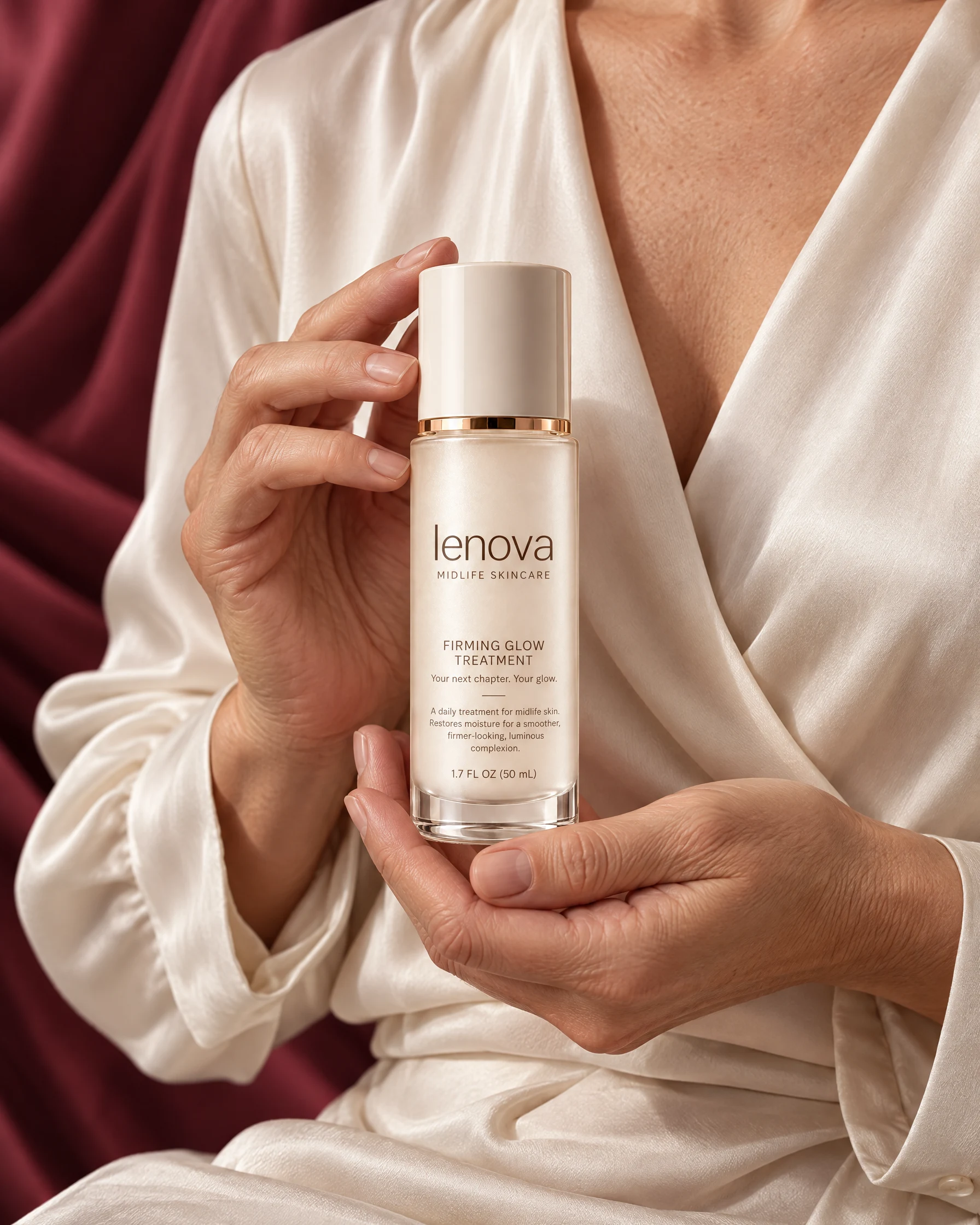
Skin can become drier, thinner and more sensitive around menopause, but hormones do not explain every change. Gentle cleansing, moisturizer and sun protection are useful foundations. Persistent discomfort or a new or changing spot deserves assessment rather than another product experiment.
Describe the change before naming the cause
Falling estrogen levels during menopause can affect skin thickness and its ability to retain water. You may notice dryness or that products irritate your skin more easily. Sun exposure over the years also affects how skin looks. A change in texture is not proof that you need hormone treatment.
Start with ordinary descriptions: tight after washing, itchy by evening, or flaky around the mouth. Note when it began, where it appears and whether you recently changed products. Dry air, medications and skin conditions can also contribute to dryness. Bring these details to an appointment without feeling you need to arrive with a diagnosis.
Build a routine around comfort
For dry skin, begin with a gentle, fragrance-free cleanser and a fragrance-free moisturizer. Keep showers short and comfortably warm. Pat rather than rub your skin dry, then apply moisturizer while a little dampness remains. Creams and ointments generally hold moisture better than lotions; choose a texture you can comfortably use.
Look for the words fragrance-free on the package. Unscented can still mean that ingredients were added to disguise a smell. Reapply moisturizer when skin feels dry, including after washing your hands. Keep moisturizer beside the sink as a reminder. Ask your prescriber how existing prescriptions fit with routine changes.
Sources[3]
Protect your skin and make additions slowly
Before going outdoors, apply a broad-spectrum, water-resistant sunscreen with SPF 30 or higher to exposed skin. Reapply every two hours outdoors and after swimming or sweating. Shade and protective clothing belong alongside sunscreen. Keep your neck, ears and hands in mind when planning protection.
A shelf full of new products makes it harder to know what agrees with your skin. Before adding a nonprescription skin care product, the AAD recommends testing it on a small area, such as the underside of your arm, twice daily for seven to ten days. Follow rinse-off directions for cleansers. If a reaction develops, wash the product off and stop using it; ask a dermatologist about a severe or persistent reaction.
Know when your skin needs a closer look
Book a dermatologist's assessment if dryness continues despite gentle care, or products repeatedly burn or sting. A skin condition may need its own treatment. Bring your product names, medication list and a description of what bothers you most. Useful questions include: What might be causing this? Which products should I keep? What would make us reconsider the plan?
Arrange a prompt check for a new or suspicious spot, a spot changing in size, shape or color, or one that itches or bleeds. Do not assume it is an age spot or a hormonal change. Ask for an assessment before choosing a product to treat the spot.
Questions you may still have
Can menopause make my skin more sensitive?
Should I exfoliate dry, flaky skin?
Scrubbing is not the starting point for dryness. The AAD recommends moisturizing rather than exfoliating dry, peeling skin, which can lose more moisture with exfoliation. If flaking persists or comes with irritation, ask a dermatologist what is causing it.
Sources[6]
Does a changing routine mean I need prescription skin care?
Not necessarily. Gentle care may be enough for dryness. Persistent or worsening symptoms deserve an assessment to understand the cause. Whether a prescription has a role depends on what is being treated and your individual history, rather than your age alone.
Sources[2]
Sources and further reading
These sources explain the general medical information in this guide. They are not endorsements of Soha or evidence of outcomes with Estrada.
- American Academy of Dermatology: Caring for your skin in menopause
- American Academy of Dermatology: Dry skin overview
- American Academy of Dermatology: Dermatologists' top tips for relieving dry skin
- American Academy of Dermatology: How to prevent skin cancer
- American Academy of Dermatology: How to test skin care products
- American Academy of Dermatology: How to pick the right moisturizer for your skin
- American Academy of Dermatology: What to look for, ABCDEs of melanoma
Bring your skin questions to the conversation
Explore Soha's Lenova information. Lenova is a compounded prescription medication and is not FDA-approved. An OB/GYN reviews whether it is appropriate; a dermatologist may be the right next step for your concern.
Explore Lenova